
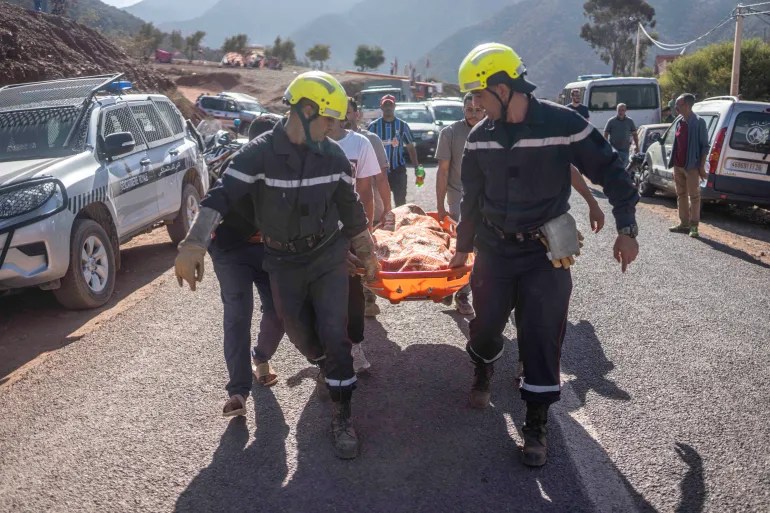
The magnitude 6.8 earthquake hit the remote High Atlas mountain region, killing at least 2,012 people and leaving many homeless.
Rescuers searching for survivors dug through the rubble of collapsed houses in remote mountain villages of Morocco on Saturday, as armed forces were pressed into action in the wake of the country’s deadliest earthquake in more than 60 years.
Authorities on Saturday declared three days of national mourning after the magnitude 6.8 earthquake killed more than 2,012 people and injured 2,059, with many left homeless.
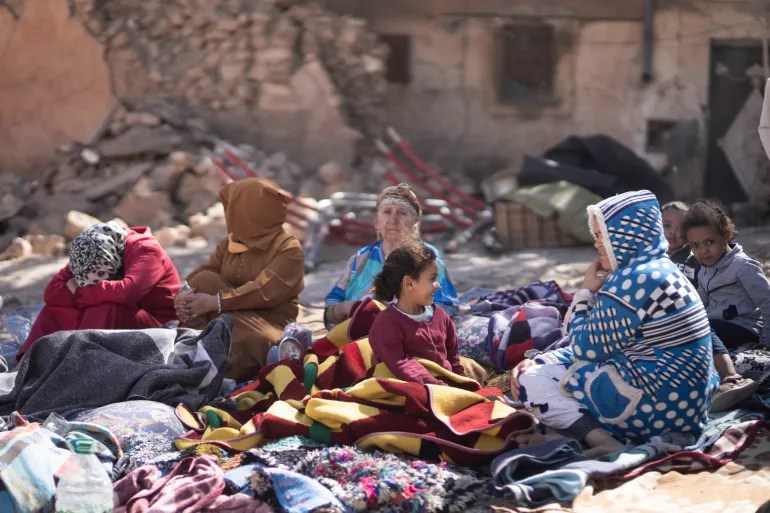
Morocco’s King Mohammed VI ordered the armed forces to mobilise specialised search and rescue teams and a surgical field hospital, according to a statement from the military.
The quake that struck in Morocco’s High Atlas mountains late on Friday night damaged historic buildings in Marrakesh – the nearest city to the epicentre – while most of the fatalities were reported in mountainous areas to the south in the Al-Haouz and Taroudant provinces.
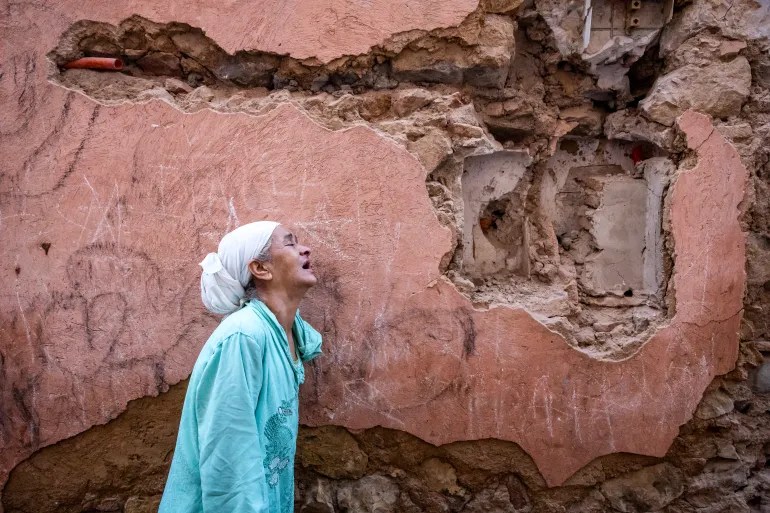
In the mountain village of Tafeghaghte near the quake’s epicentre, virtually no buildings were left standing. The traditional clay bricks used by the region’s Berber inhabitants proved no match for the rare quake.
“Three of my grandchildren and their mother were killed – they are still under the rubble,” villager Omar Benhanna, 72, told AFP. “Just a while ago, we were all playing together.”
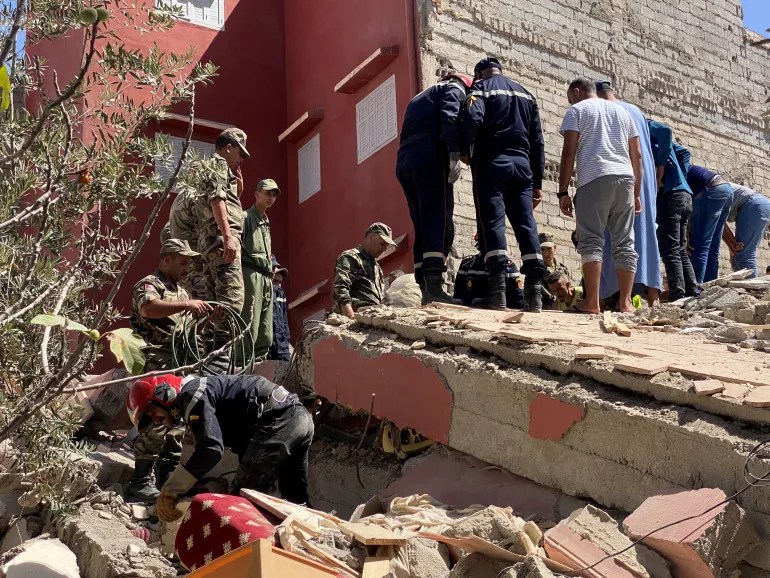
Sabato, i soccorritori alla ricerca di sopravvissuti hanno scavato tra le macerie delle case crollate nei remoti villaggi di montagna del Marocco, mentre le forze armate sono entrate in azione in seguito al terremoto più mortale del paese in oltre 60 anni.
Sabato le autorità hanno dichiarato tre giorni di lutto nazionale dopo che il terremoto di magnitudo 6.8 ha ucciso più di 2.012 persone e ne ha ferite 2.059, molti dei quali rimasti senza casa.
Il re del Marocco Mohammed VI ha ordinato alle forze armate di mobilitare squadre specializzate di ricerca e salvataggio e un ospedale da campo chirurgico, secondo una dichiarazione dei militari.
Il terremoto che ha colpito le montagne dell’Alto Atlante in Marocco nella tarda notte di venerdì ha danneggiato edifici storici a Marrakesh – la città più vicina all’epicentro – mentre la maggior parte delle vittime è stata segnalata nelle aree montuose a sud nelle province di Al-Haouz e Taroudant.
Nel villaggio di montagna di Tafeghaghte, vicino all’epicentro del terremoto, praticamente nessun edificio è rimasto in piedi. I tradizionali mattoni di argilla utilizzati dagli abitanti berberi della regione non si sono dimostrati all’altezza del raro terremoto.
“Tre dei miei nipoti e la loro madre sono stati uccisi – sono ancora sotto le macerie”, ha detto all’AFP Omar Benhanna, 72 anni. “Solo poco fa, stavamo giocando tutti insieme.”
 CONTG.NEWS